Introduction: The Urgent Push for Net-Zero
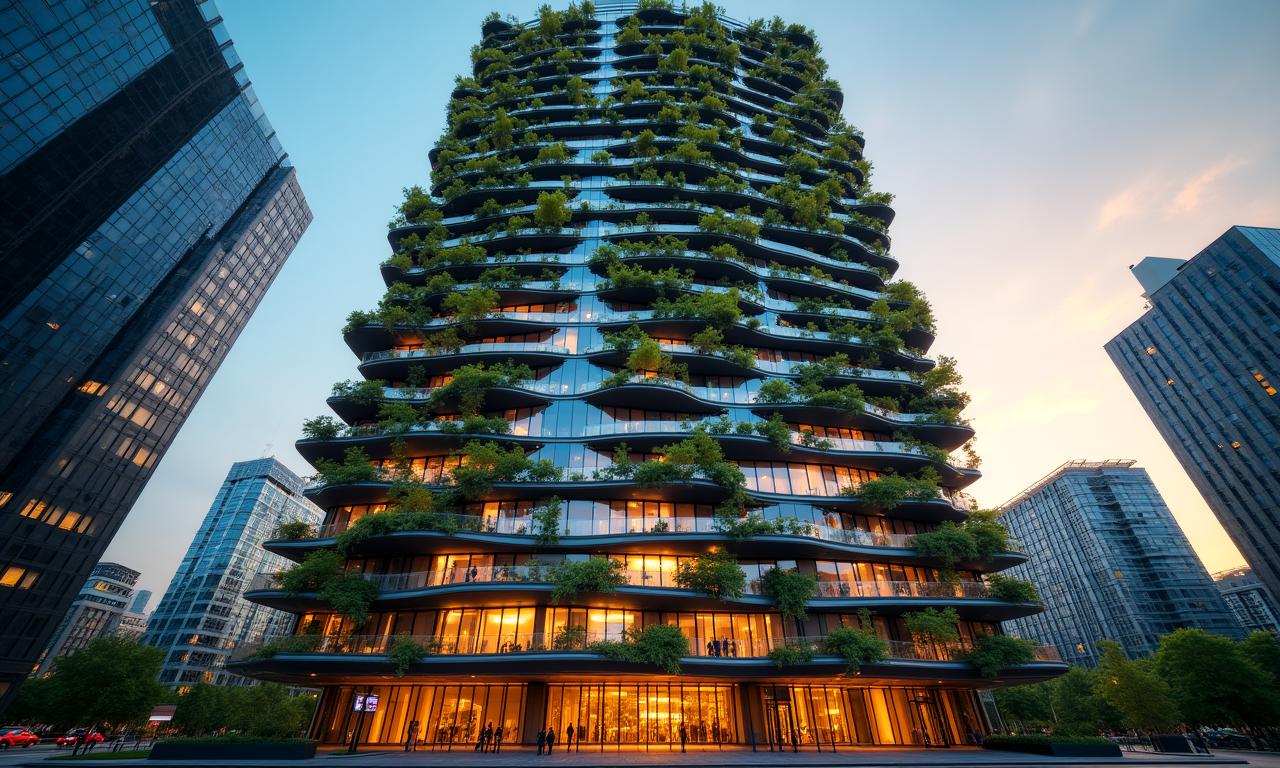
In the current global climate, the commercial real estate sector faces an unprecedented mandate: achieve net-zero carbon operations within record timelines. At Architechne AI, we see building automation not just as a luxury of convenience, but as the essential nervous system for the sustainable cities of tomorrow. Modern infrastructure is transitioning from passive shelters to active participants in energy ecosystems.
The Role of IoT: Sensor Webs That Breathe
The foundation of enterprise sustainability lies in visibility. We are moving beyond thermal sensors to comprehensive 'environmental awareness.' Architechne AI integrates sensor webs that monitor CO2 levels, occupancy density, and natural light penetration in real-time. These systems allow buildings to 'breathe'—tightening air circulation in empty zones while boosting fresh air delivery to high-density meeting rooms automatically.
Average reduction in energy waste through precise occupancy sensing.
The year dynamic energy code compliance becomes standard for Tier-1 cities.
Predictive HVAC Maintenance
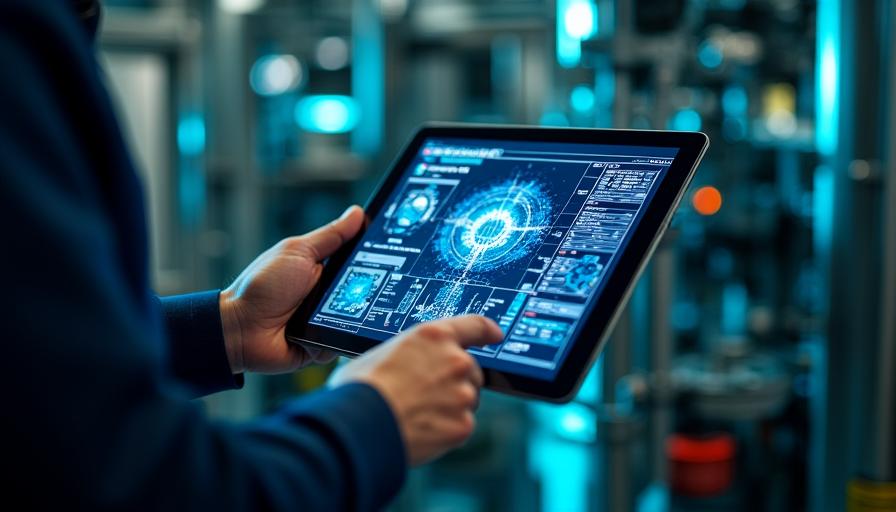
Preventative maintenance is outdated; predictive maintenance is the future. By utilizing Architechne’s proprietary AI models, building managers can identify mechanical friction in HVAC systems weeks before a failure occurs. This prevents 'energy leaks' where inefficient hardware consumes up to 40% more power to achieve the same cooling output.
Navigating Local Regulations
As energy codes shift, manual intervention is no longer feasible. Our AI-driven building automation systems autonomously adapt to shifting energy codes and peak-demand pricing. By communicating directly with the smart grid, your building can pre-cool during off-peak hours or shed non-essential loads when the local grid is under stress, ensuring continuous compliance and maximum cost savings.
Conclusion: The ROI of Deep Integration
The transition to sustainable automation is not just an environmental imperative; it is a financial one. Buildings equipped with deep AI integration command higher lease rates, lower operational expenses, and future-proof assets against evolving climate legislation. At Architechne AI, we are building the intelligence that makes these structures possible.